
How to Build Credit on a Work Visa
- Best Credit Builder Apps

- Jun 26
- 5 min read
Updated: Jul 25
Introduction
Key takeaway: Building credit on a work visa is crucial for financial integration, enabling access to loans and better interest rates. It impacts housing, employment, and overall financial health.
Building credit on a work visa can be challenging, but it’s essential for financial stability in your new country. As an immigrant worker, understanding how to build credit on a work visa can open up opportunities for loans, credit cards, and even renting an apartment. This guide will walk you through the necessary steps, considerations, and potential pitfalls.
Why This Topic Matters
For individuals on a work visa, establishing credit is crucial for integrating into the financial system of your host country. Without a credit history, accessing financial services can be difficult. Building credit can help you secure better interest rates, obtain loans, and prove your financial reliability. It also plays a vital role in your overall financial health, impacting everything from housing to employment opportunities.
Key Considerations for Build Credit on a Work Visa
When you’re on a work visa, there are several factors to consider in building credit. First, find out if you have a Social Security Number (SSN) or an Individual Taxpayer Identification Number (ITIN), as these are often needed for credit applications. Next, choose the right financial products, such as secured credit cards or credit-builder loans, designed to help those with limited credit history.
Additionally, understanding the credit scoring system in your host country is vital. Different countries have different credit rating systems, so familiarize yourself with how scores are calculated and what factors influence them. Building a good credit score requires consistent effort, including making payments on time and maintaining a low credit utilization ratio.
Benefits
Building credit on a work visa offers numerous benefits. A solid credit history can lead to lower interest rates on loans and credit cards, saving you money in the long run. It also increases your chances of being approved for rental applications, as landlords often check credit scores. Furthermore, some employers may review credit reports as part of their hiring process, so a good credit score could improve your employment prospects.
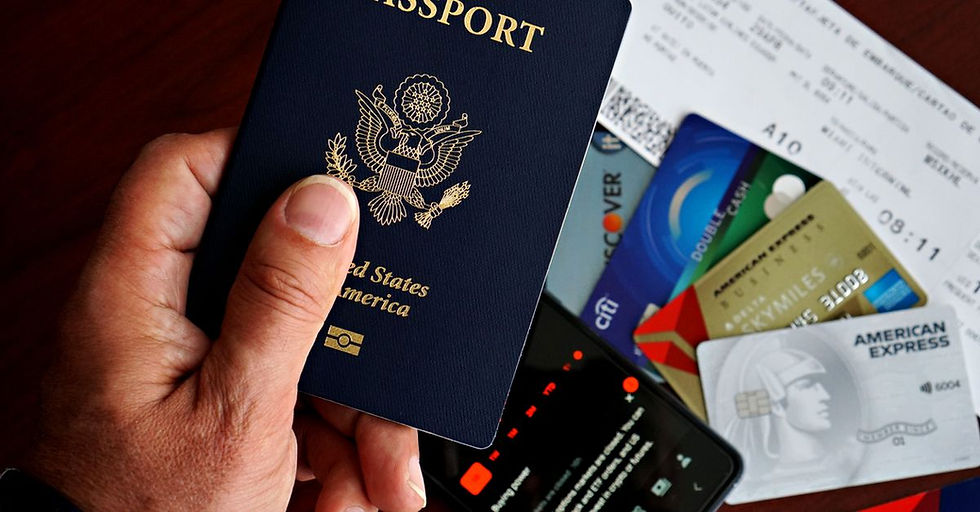
Having a good credit score can also provide a safety net in case of emergencies. It allows you to access credit when needed, giving you peace of mind and financial flexibility. Overall, a strong credit history is a valuable asset for anyone living and working abroad.
Potential Drawbacks
While building credit on a work visa is beneficial, there are potential drawbacks to consider. Mismanaging credit can lead to debt accumulation, damaging your credit score and financial reputation. High-interest rates on initial credit cards or loans for those with limited credit history can also be a concern. Additionally, the process of building credit can take time, requiring patience and diligence.
It's also essential to be aware of potential cultural and systemic differences in credit management. What works in your home country may not apply in your host country, so adapting to new financial norms is crucial.
Common Mistakes to Avoid
Key takeaway: Applying for too many credit accounts at once can damage your credit score. Start with one or two products and manage them responsibly.
Avoid common pitfalls when building credit on a work visa by staying informed and cautious. One mistake is applying for too many credit accounts at once, which can negatively impact your credit score. Instead, start with one or two financial products and manage them responsibly.
Failing to make timely payments is another common error. Always pay your bills on time to avoid late fees and negative marks on your credit report. Additionally, avoid maxing out your credit cards, as high credit utilization can harm your score.
How to Get Started
Key takeaway: First, obtain your SSN or ITIN. Then, apply for a secured credit card or credit-builder loan to start building credit on a work visa.
To start building credit on a work visa, first obtain your SSN or ITIN if you haven't already. Then, consider applying for a secured credit card, which requires a cash deposit and can help you establish credit. Alternatively, look into credit-builder loans offered by some banks and credit unions.
Regularly check your credit report to track your progress and ensure accuracy. Many countries offer free annual credit reports, which can help you spot errors and understand what lenders see. Lastly, educate yourself about financial products and services to make informed decisions that suit your needs.
Final Thoughts
Building credit on a work visa is a vital step for financial independence and success in your host country. With careful planning and responsible management, you can establish a robust credit history that supports your personal and professional goals. Remember, patience and consistency are key to achieving a solid credit foundation.
FAQ
What is the fastest way to build credit on a work visa?
The fastest way is to obtain a secured credit card or a credit-builder loan. Make sure to pay your bills on time and keep your credit utilization low to build credit quickly.
Can I build credit without a Social Security Number?
Yes, you can use an Individual Taxpayer Identification Number (ITIN) to apply for credit products and build your credit history.
How can I check my credit score while on a work visa?
You can access your credit score through financial institutions or credit bureaus. Many countries offer free annual credit reports that include your score.
Are there specific credit cards for immigrants on work visas?
Some banks offer credit cards specifically designed for newcomers and immigrants. These may have different requirements, so research your options thoroughly.
What should I do if my credit application is denied?
If your application is denied, review the reasons provided, and work on improving those areas. Consider starting with a secured credit card or consulting a financial advisor for guidance.
Can paying rent help build my credit?
Yes, some services allow your rent payments to be reported to credit bureaus, helping to build your credit history over time.
Is it possible to transfer my credit history from my home country?
In most cases, credit histories are not transferable between countries. You'll need to start building credit from scratch in your host country.
What happens to my credit history if I leave the country?
Your credit history remains in the country where it was built. If you return, you can continue building on it, but it won't transfer internationally.



Comments